Solar Energy Consultation and Assessment in Monmouth, ME
Solar Energy Consultation and Assessment in Monmouth, ME
Solar energy consultation in Monmouth, ME provides on-site property assessments and custom system design recommendations tailored to individual energy requirements, site conditions, and budget considerations from experienced solar professionals.
What Happens During a Solar Consultation?
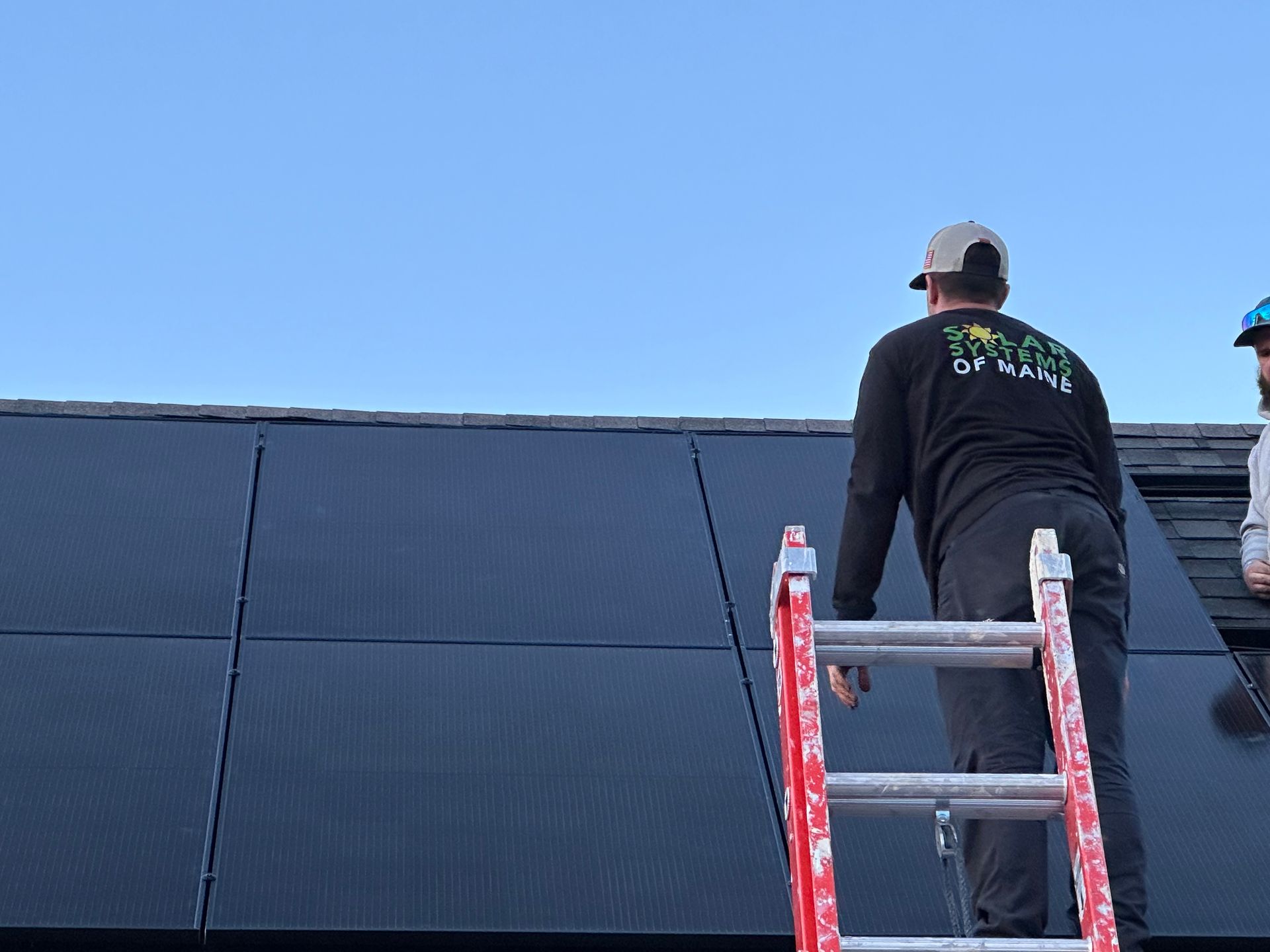
A solar consultation includes property inspection, roof evaluation, energy bill review, shading analysis, system sizing discussion, financing overview, and a detailed proposal outlining equipment specifications and projected performance.
The consultant examines your roof structure, measures available installation areas, and documents compass orientation to determine solar potential. Digital tools capture sun exposure throughout different seasons to predict annual energy production accurately.
Your recent utility bills reveal consumption patterns that guide system sizing recommendations. Consultants explain how solar offsets your current electricity costs and calculate estimated payback periods based on local utility rates.
How Does On-Site Assessment Improve Accuracy?
On-site assessment captures real property conditions including roof pitch, material type, electrical panel configuration, and shading obstacles that online estimates cannot evaluate, leading to more accurate system designs and cost projections.
Physical inspections reveal structural considerations like roof age or tree growth that affect installation feasibility. Consultants identify potential challenges before design work begins, preventing surprises during installation.
Direct measurement of electrical service capacity ensures proposed systems integrate safely with existing infrastructure. Homeowners near me often discover that professional solar assessments in Monmouth uncover opportunities and constraints that remote evaluations miss entirely.
Which Factors Determine System Recommendations?
System recommendations balance your energy goals, available budget, property characteristics, utility rate structure, and future plans to create a solution that delivers maximum value without over-investment or under-performance.
Some property owners prioritize eliminating electric bills completely while others prefer smaller systems that reduce costs without major investment. Consultants present multiple scenarios showing different capacity levels and corresponding financial outcomes.
Property limitations like limited roof space or partial shading may require higher-efficiency equipment or ground-mount alternatives. Budget constraints might suggest phased installation that adds capacity over time as finances allow.
Do Consultations Include Financing Guidance?
Consultations include financing guidance covering available loans, leasing options, and federal tax credit applications to help you understand payment structures and identify the most advantageous approach for your situation.
Solar loans allow ownership and tax credit eligibility while spreading costs over time with manageable monthly payments. Lease arrangements reduce upfront investment but transfer ownership and some financial benefits to the provider.
Federal tax credits currently reduce system costs by a significant percentage, making ownership more attractive for those with sufficient tax liability. Consultants explain documentation requirements and application processes to ensure you capture available incentives.
How Do Monmouth Property Layouts Affect Solar Planning?
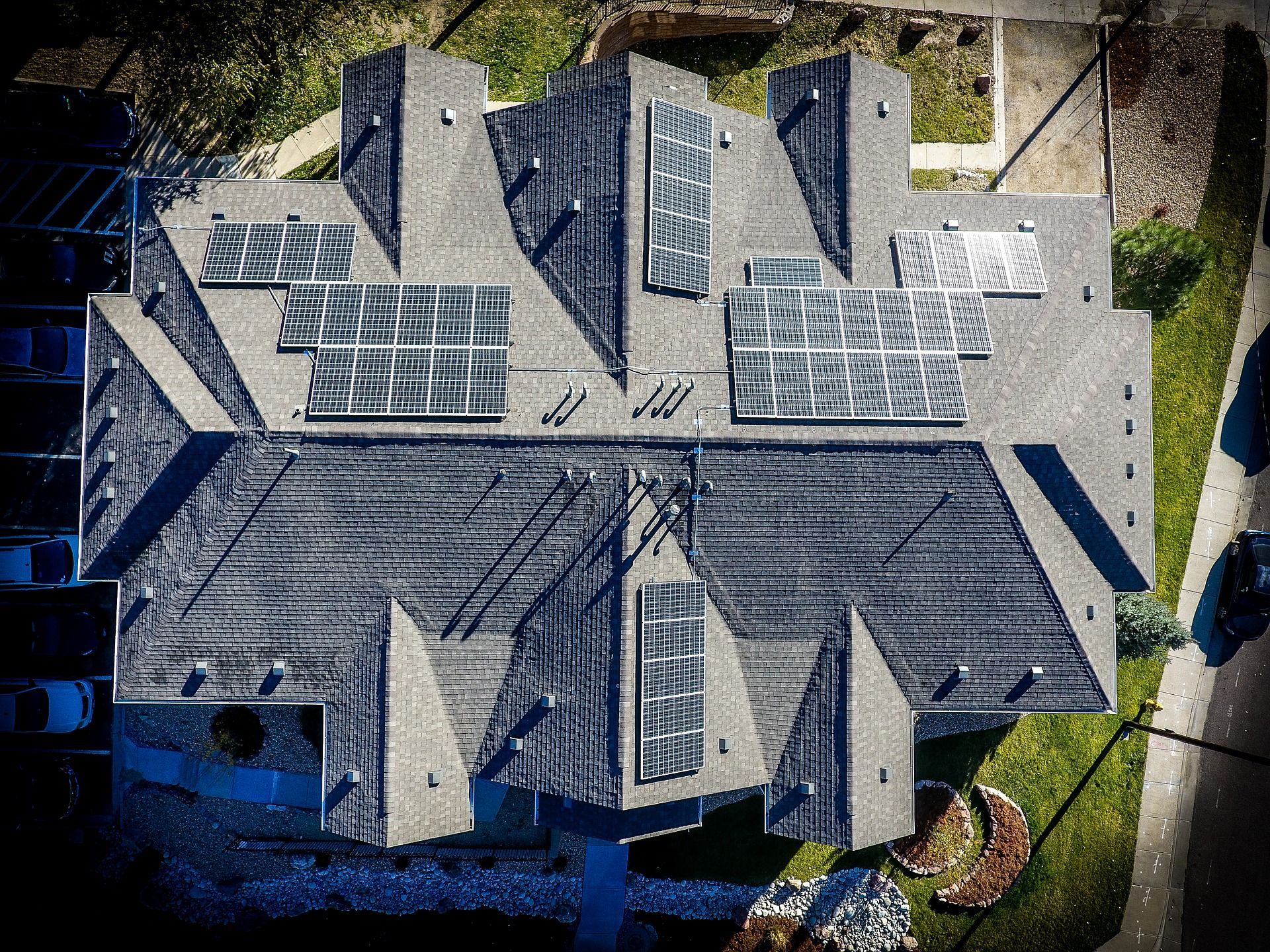
Monmouth properties range from historic homes with complex rooflines to modern builds with simple layouts, requiring consultants to adapt recommendations based on architectural style, roof access, and aesthetic preferences.
Older homes may have multiple roof sections at varying angles that complicate panel placement and increase installation labor. Consultants identify the most productive surfaces while respecting historic character and neighborhood appearance standards.
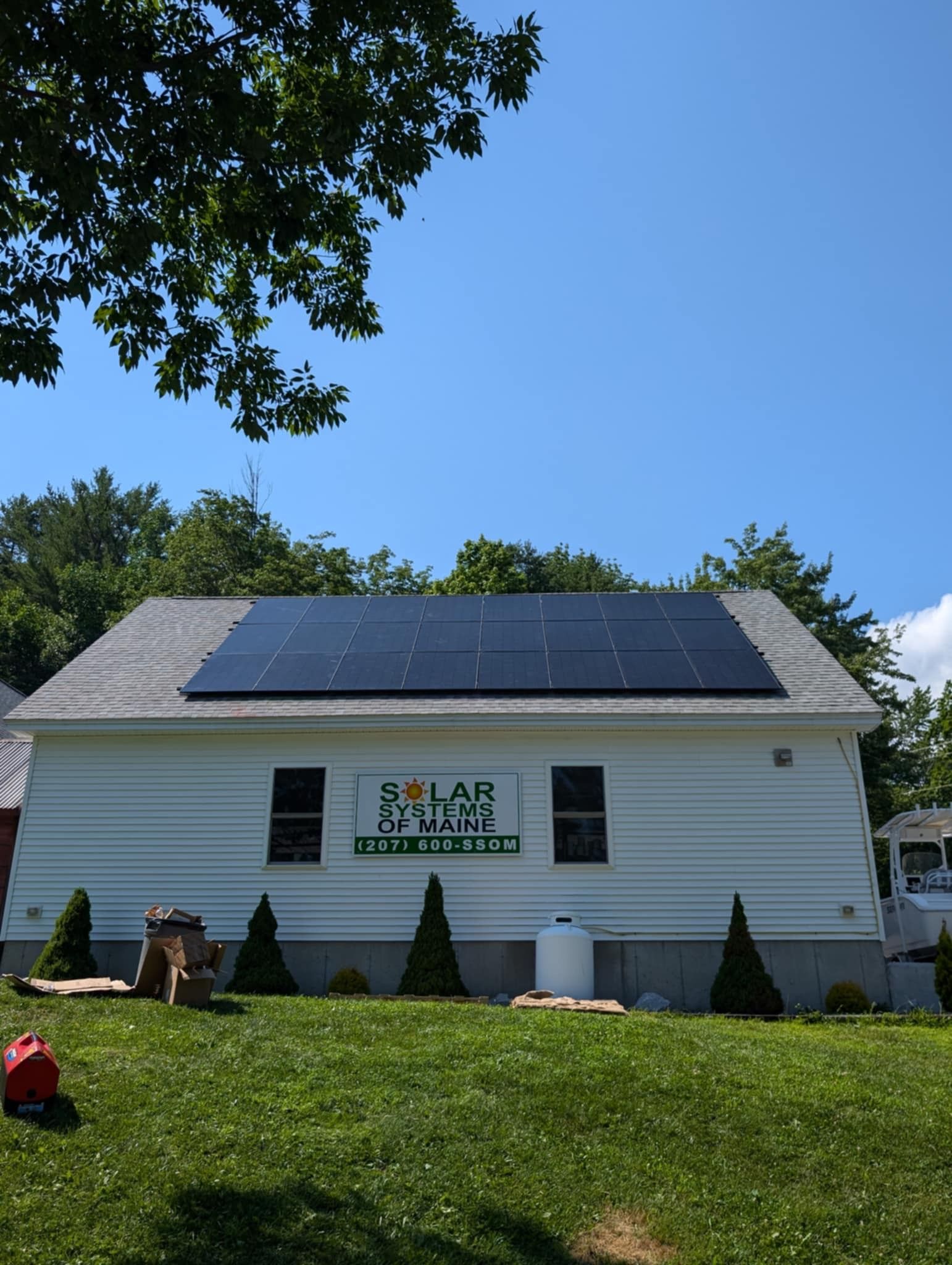
Newer construction often provides ideal conditions with unobstructed southern exposures and roof materials designed for long service life. These properties allow straightforward installations that maximize production at lower cost.
Solar Systems of Maine provides thorough consultations that respect your unique circumstances and energy objectives. Our assessment process delivers clear recommendations backed by site-specific data and transparent cost projections.
See what others say about our consultation experience and learn how informed decisions lead to better outcomes. Request your assessment from Solar Systems of Maine by calling 207-600-7766.