Professional Solar Panel Installation Services in Augusta, ME
Professional Solar Panel Installation Services in Augusta, ME
Solar panel installation in Augusta, ME delivers clean energy through complete residential and commercial services including custom system design, permitting support, and professional installation with guaranteed satisfaction from Solar Systems of Maine.
How Does Solar Panel Installation Work?
Solar installation begins with a site assessment followed by custom system design, permit applications, equipment delivery, professional mounting, electrical connection, and final inspection approval.
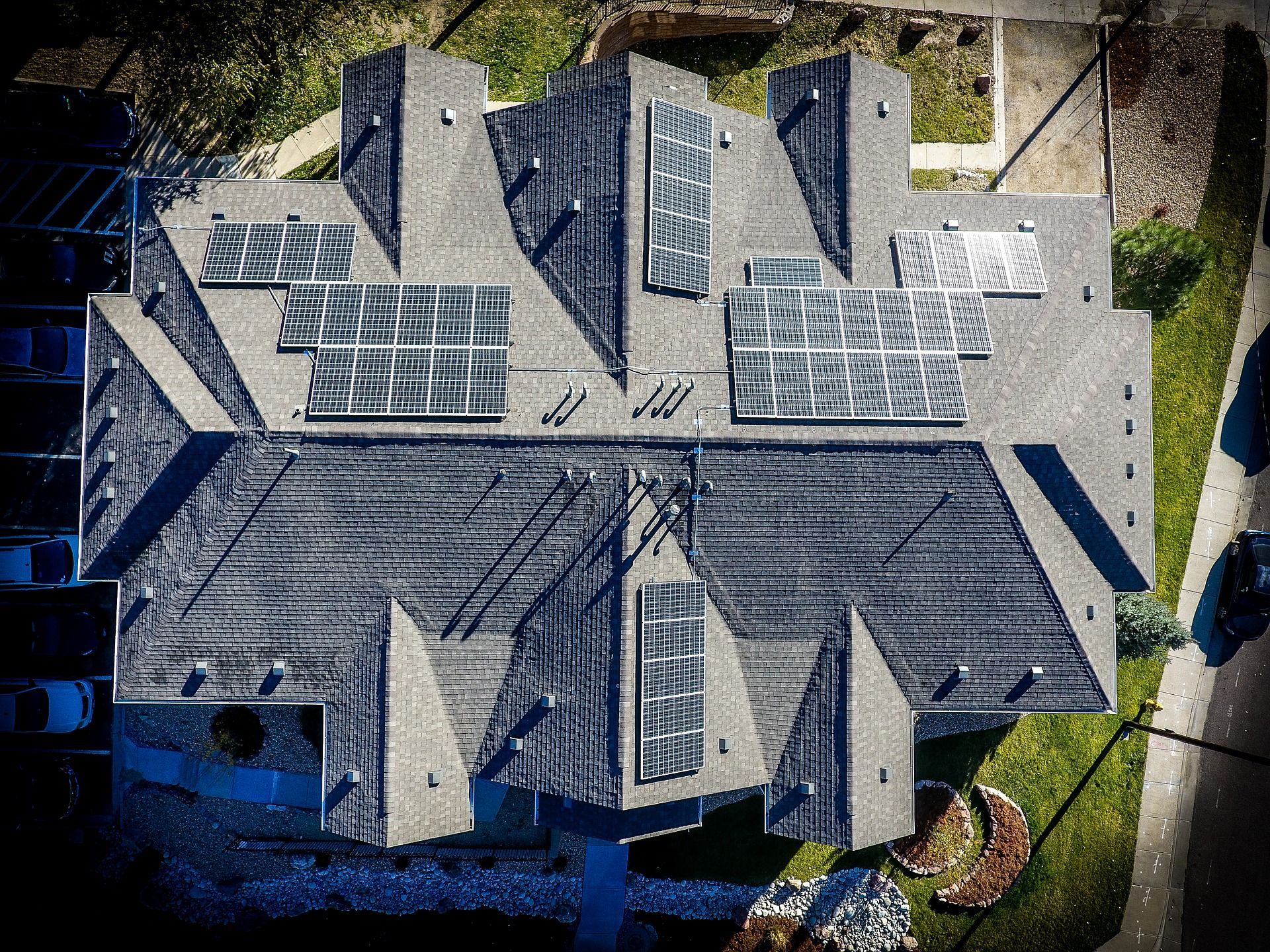
Your property receives a thorough evaluation to determine optimal panel placement and energy production potential. The design phase considers roof condition, sun exposure patterns, and your household or business energy consumption throughout the year.
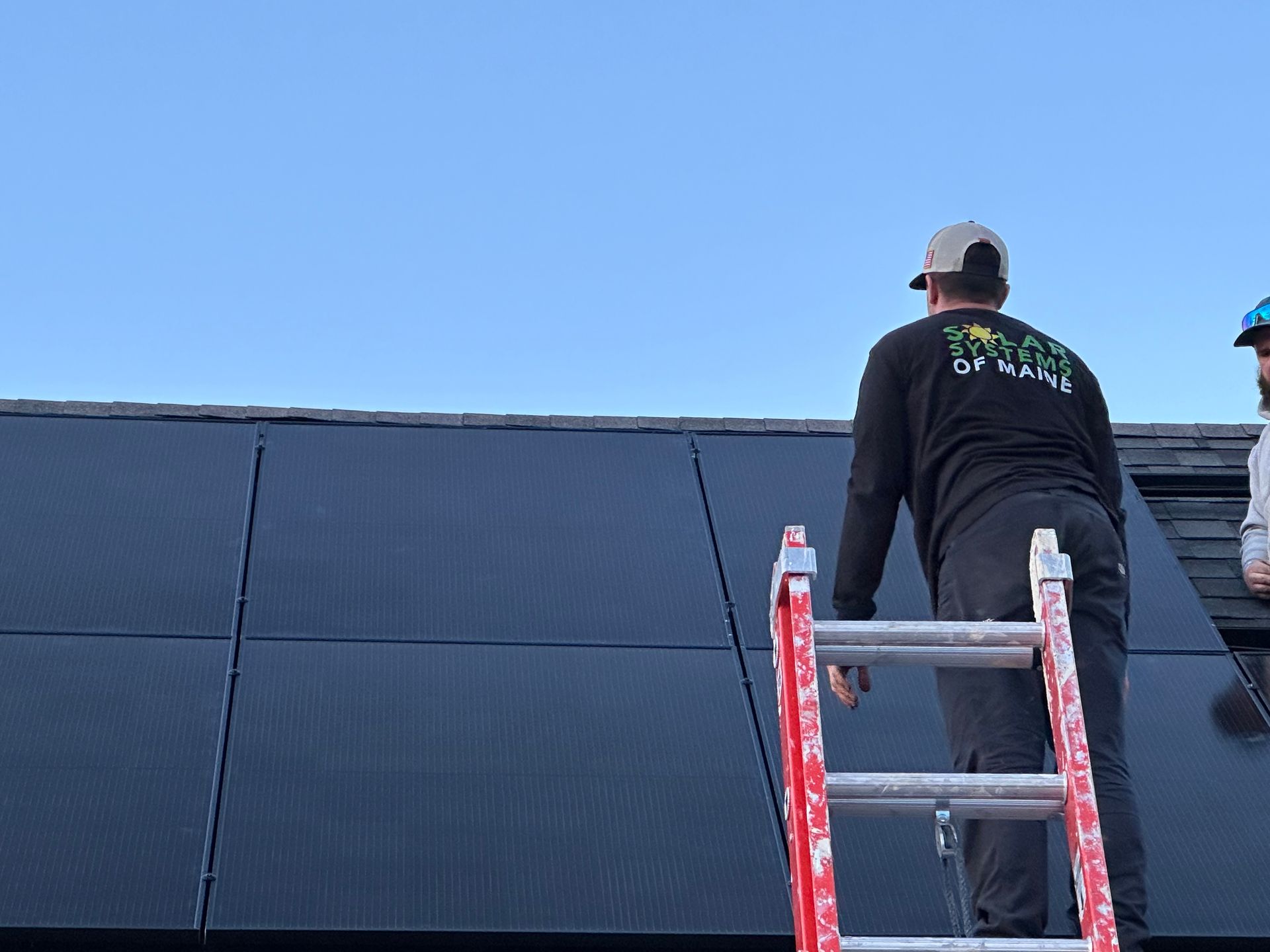
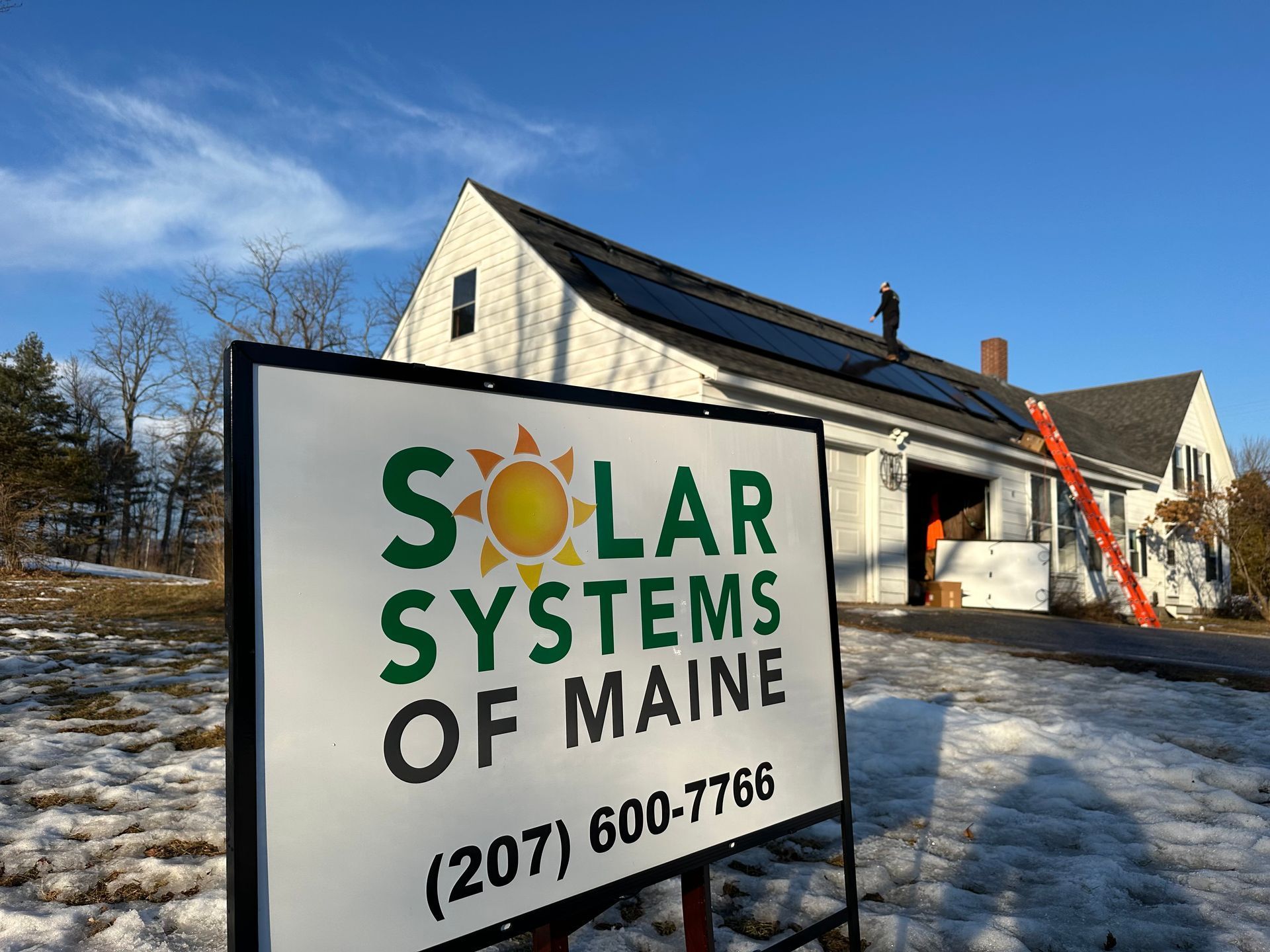
Experienced installers mount racking systems and solar panels with precision to withstand Maine winters and storms. Electrical connections integrate your new system with the existing service panel and utility grid.
What Should You Know Before Installing Solar Panels?
Before installation, you need to understand your current energy usage, available roof space, local permitting requirements, and financing options including federal tax credits that reduce upfront costs significantly.
Your energy bills from the past twelve months provide baseline data for sizing the system correctly. Roof age and structural integrity matter because panels typically remain in place for twenty-five years or longer.
Augusta building codes and utility interconnection agreements require specific documentation and inspections. Many homeowners near me find that solar panel installation services in Augusta help navigate these local requirements efficiently.
Which System Size Fits Your Property?
System size depends on your annual electricity consumption, available installation area, roof orientation, and whether you want to offset partial or total energy use from the grid.
A typical home in Augusta uses between 7,000 and 10,000 kilowatt-hours annually. A properly sized system ranges from five to ten kilowatts of capacity for most residential properties.
Commercial installations scale according to business operations and can reach hundreds of kilowatts. System designers calculate production estimates using local weather data and site-specific shading analysis to ensure realistic performance expectations.
How Do Augusta Winters Affect Solar Performance?
Augusta winters bring snow and shorter daylight hours that temporarily reduce energy production, but solar panels continue generating electricity even on cold, bright days throughout the season.
Snow typically slides off tilted panels within a day or two after storms. Cold temperatures actually improve panel efficiency compared to hot summer conditions when electronics can overheat.
Annual production calculations account for seasonal variation, ensuring your system meets energy goals across all twelve months. Proper installation angles maximize winter sun capture when heating demands peak in Maine homes.
Solar Systems of Maine brings proven expertise to every residential and commercial project in the Augusta area. Our complete installation services include all permitting, design work, and professional setup to deliver reliable clean energy for decades.
Learn more about our solar installation team and discover how the right system transforms your property. Schedule your consultation with Solar Systems of Maine at 207-600-7766.