Custom Solar System Design Services in Leeds, ME
Custom Solar System Design Services in Leeds, ME
Custom solar system design in Leeds, ME creates efficient energy solutions by considering local climate conditions, specific property characteristics, and your unique energy usage patterns for optimal long-term performance and savings.
What Makes Solar System Design Important?
Proper system design determines your energy production capacity, installation cost, payback timeline, and long-term reliability by matching equipment specifications to your property conditions and consumption needs.
Generic solar packages rarely deliver optimal results because every property presents different challenges and opportunities. Roof angle, compass orientation, nearby trees, and building height all influence how much sunlight reaches your panels throughout the day.
A well-designed system balances upfront investment with projected energy output to maximize return. Engineers calculate expected production using historical weather data and site measurements to provide realistic performance estimates rather than inflated promises.
How Do Climate Conditions Influence Design?
Maine climate patterns including seasonal sunlight variation, snow load requirements, and temperature extremes shape equipment selection, mounting strategies, and tilt angles to ensure year-round reliability and code compliance.
Winter snow accumulation requires structural calculations to verify roof capacity for combined panel weight and storm loads. Installation angles must shed snow naturally while capturing maximum sunlight during shorter winter days.
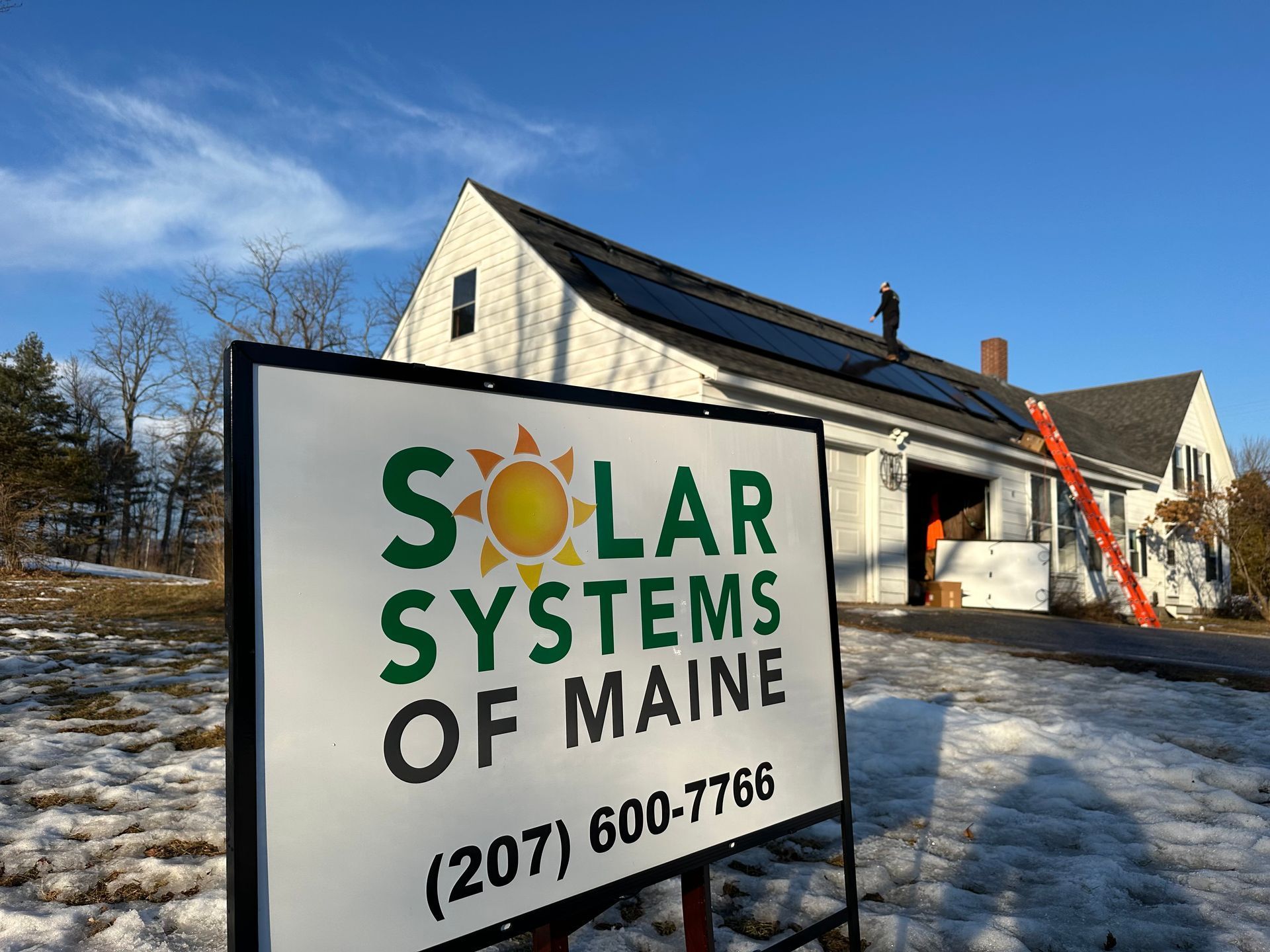
Summer storms and wind events demand secure mounting systems rated for local weather extremes. Many property owners near me find that solar installation services in Leeds incorporate these regional factors into every design phase.
Which Property Features Affect System Layout?
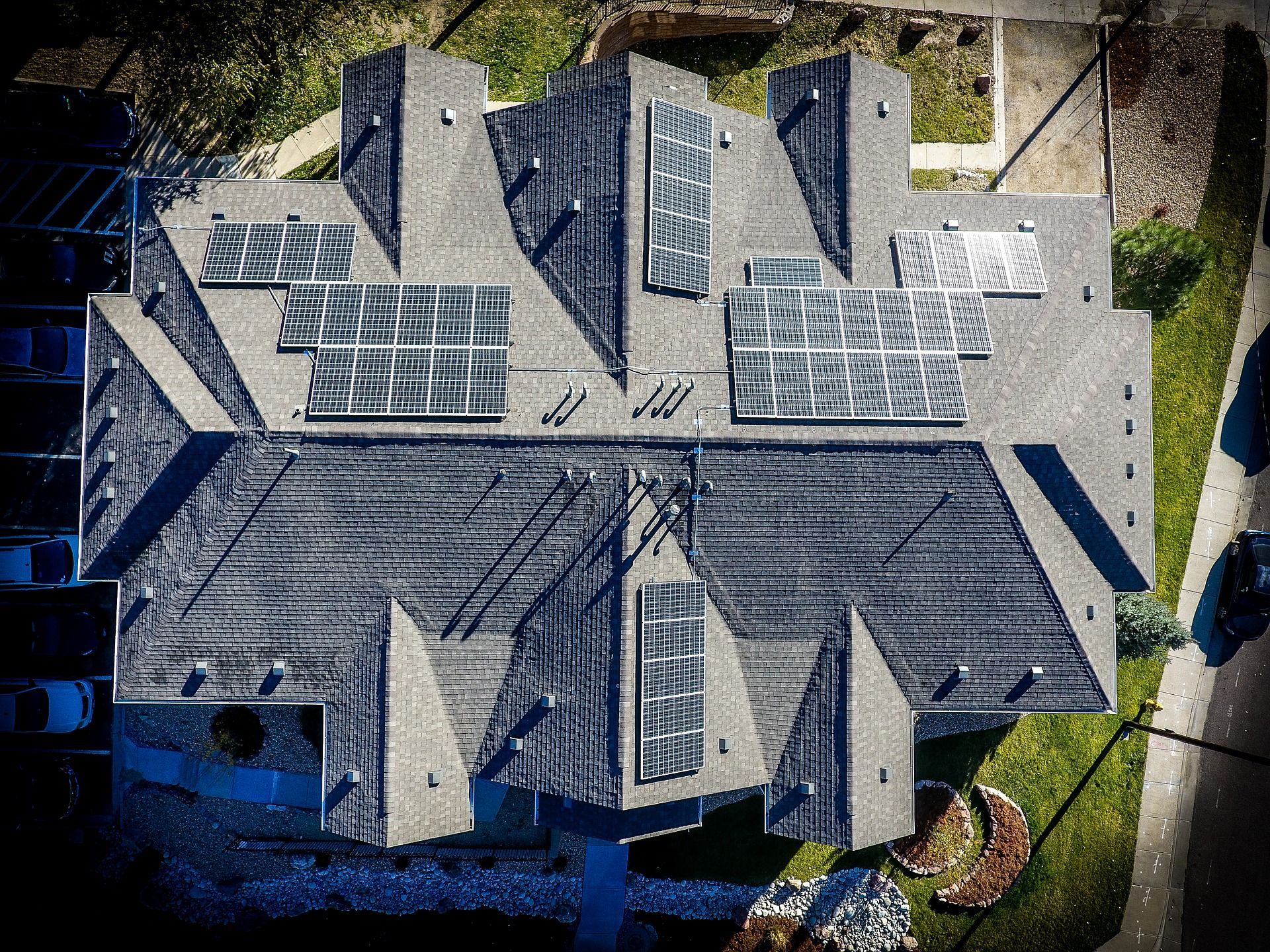
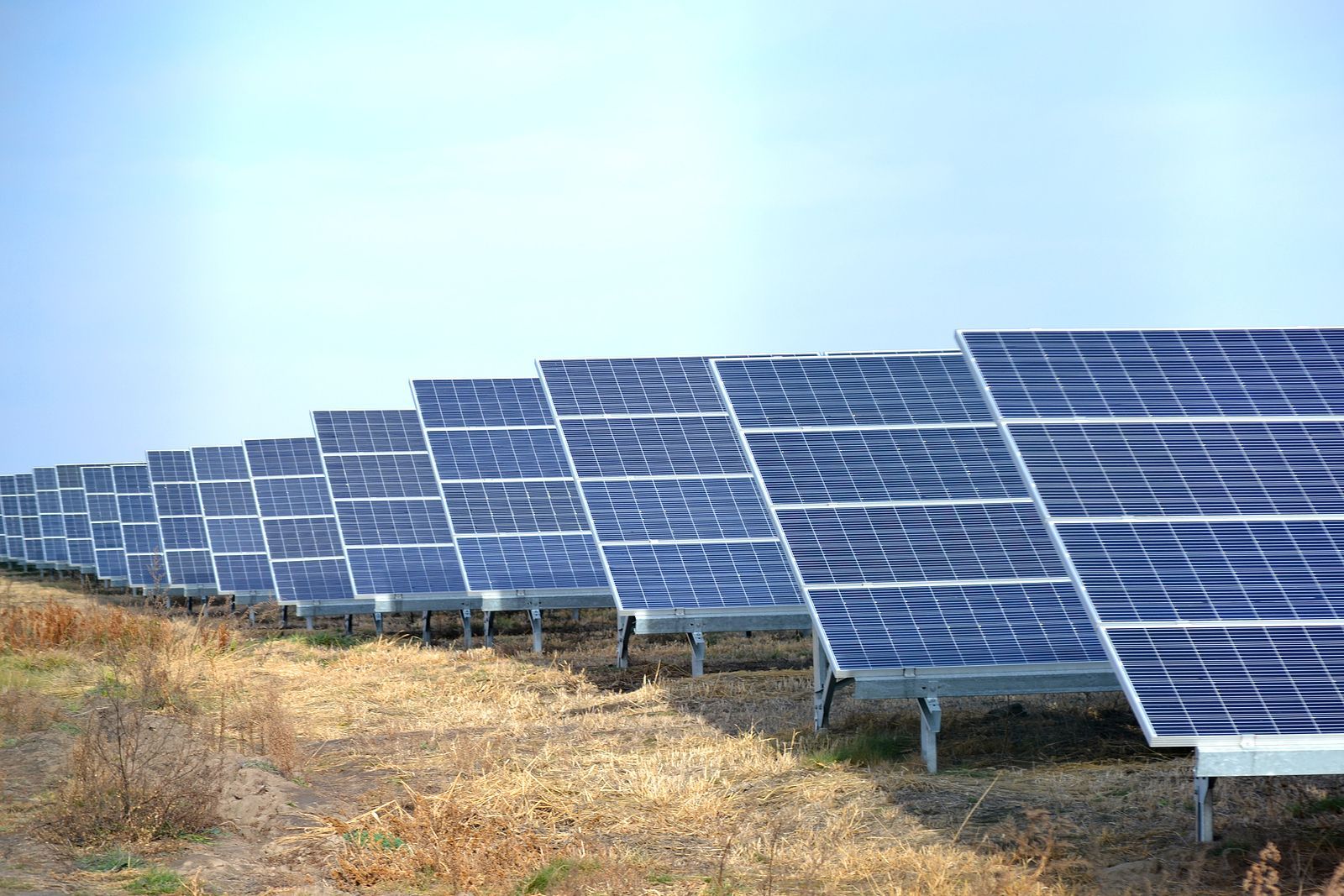
Property features such as roof condition, available square footage, electrical service capacity, shading obstacles, and ground-mount possibilities determine panel quantity, placement options, and interconnection approach for each unique site.
Older roofs may need replacement before installation to avoid removing panels within a few years. Limited roof space might require higher-efficiency panels that produce more power per square foot despite higher costs.
Electrical panels must have adequate capacity and proper breaker slots to integrate solar safely. Some properties benefit from ground-mounted arrays when roofs face unfavorable directions or experience excessive tree shade.
Can Solar Design Adapt to Energy Usage Patterns?
System design adapts to your energy usage by sizing capacity to match consumption timing, incorporating battery storage for evening use, or planning for future expansion when household needs change over time.
Households with high daytime electricity use achieve immediate savings by consuming solar power as it generates. Properties with evening peaks benefit from battery storage that holds excess daytime production for later discharge.
Designers can plan modular systems that allow adding panels as families grow or electric vehicles join the household. This flexibility prevents over-building initially while accommodating future expansion without major redesign.
How Do Leeds Property Types Impact Design Choices?
Leeds features diverse property types from rural farmhouses with expansive roof areas to newer subdivisions with standard ranch layouts, requiring tailored approaches for optimal panel placement and system integration.
Rural properties often have unobstructed southern exposures ideal for maximum production. Larger roof areas allow conservative spacing that simplifies maintenance and reduces installation complexity.
Suburban homes may face shading from neighboring structures or mature landscaping that requires strategic panel positioning. Designers map sun paths throughout the year to identify the most productive installation zones for each property type.
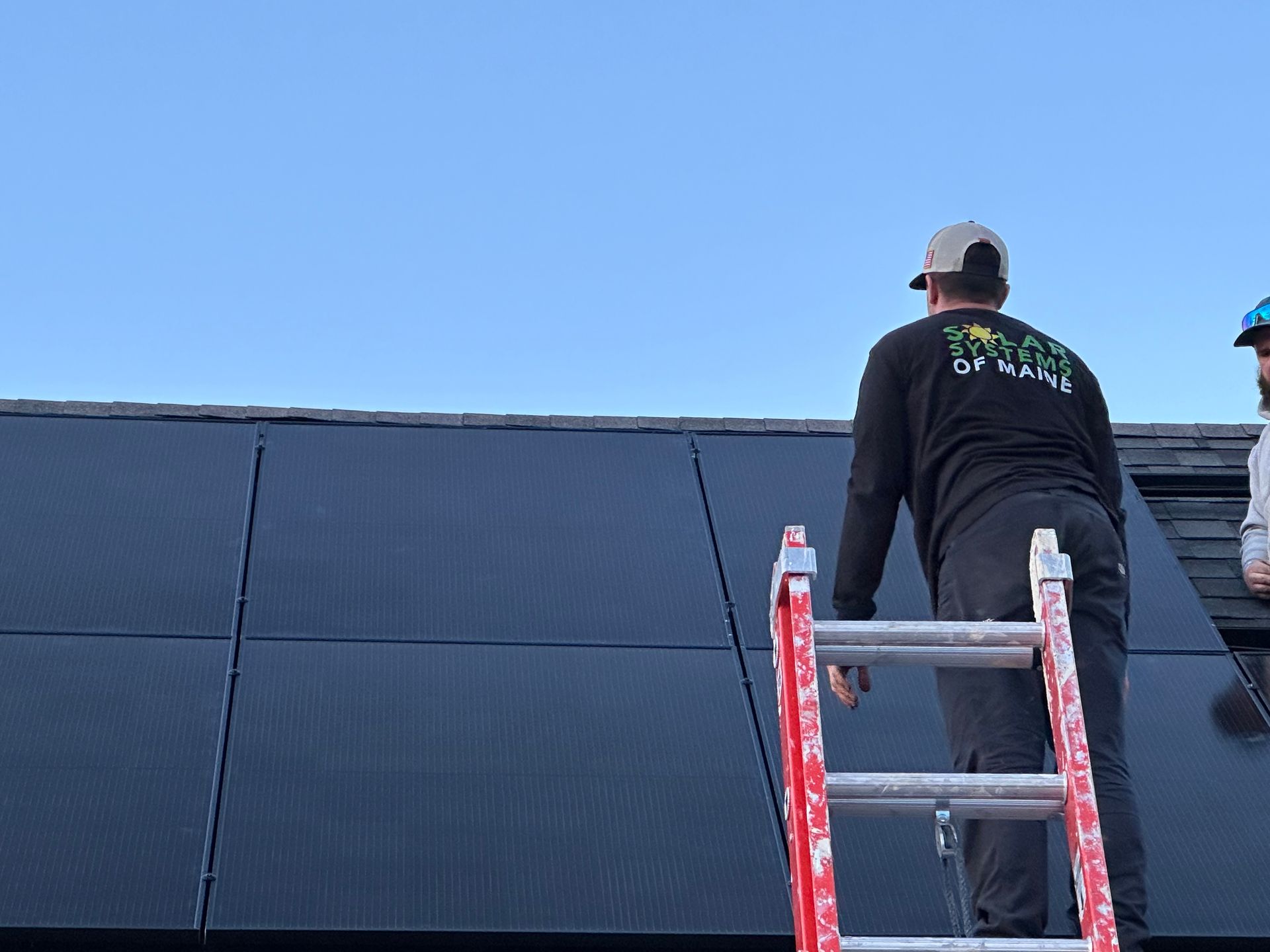
Solar Systems of Maine delivers custom design services that respect your property characteristics and energy goals. Each system receives individual engineering attention to ensure efficient, reliable performance for decades.
Explore customer experiences with our design process and see how personalized planning makes the difference. Connect with Solar Systems of Maine at 207-600-7766 to start your custom design.